
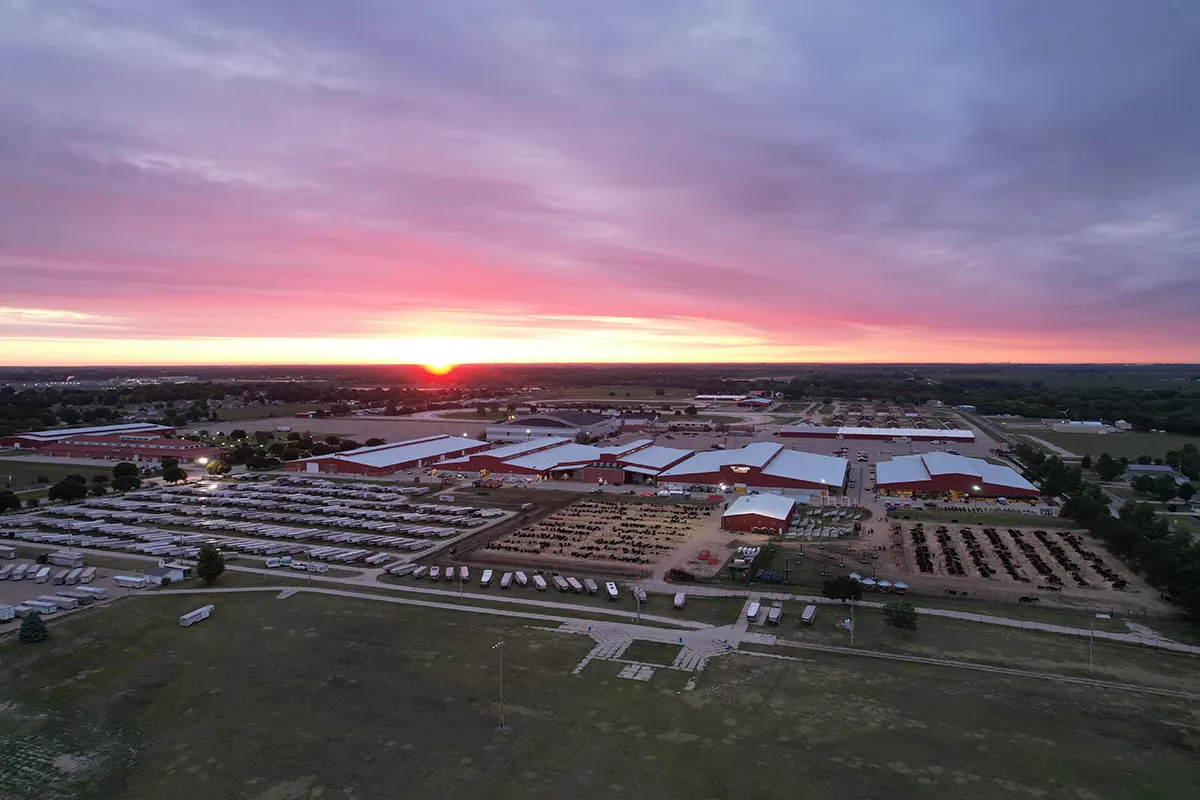
In recent weeks, the discussion about hotel occupancy taxes has brought important questions to the forefront about how Grand Island funds tourism, supports livestock and agricultural events, and maintains major community facilities like the Heartland Events Center (HEC). How we answer those questions will shape our success as a regional events destination for decades to come.
In Grand Island, the current 2% city hotel occupancy tax has been in place for roughly 20 years and has primarily supported the operation of the HEC. Hotels collect the tax, and those dollars are intended to be reinvested in tourism-related assets that attract future visitors.
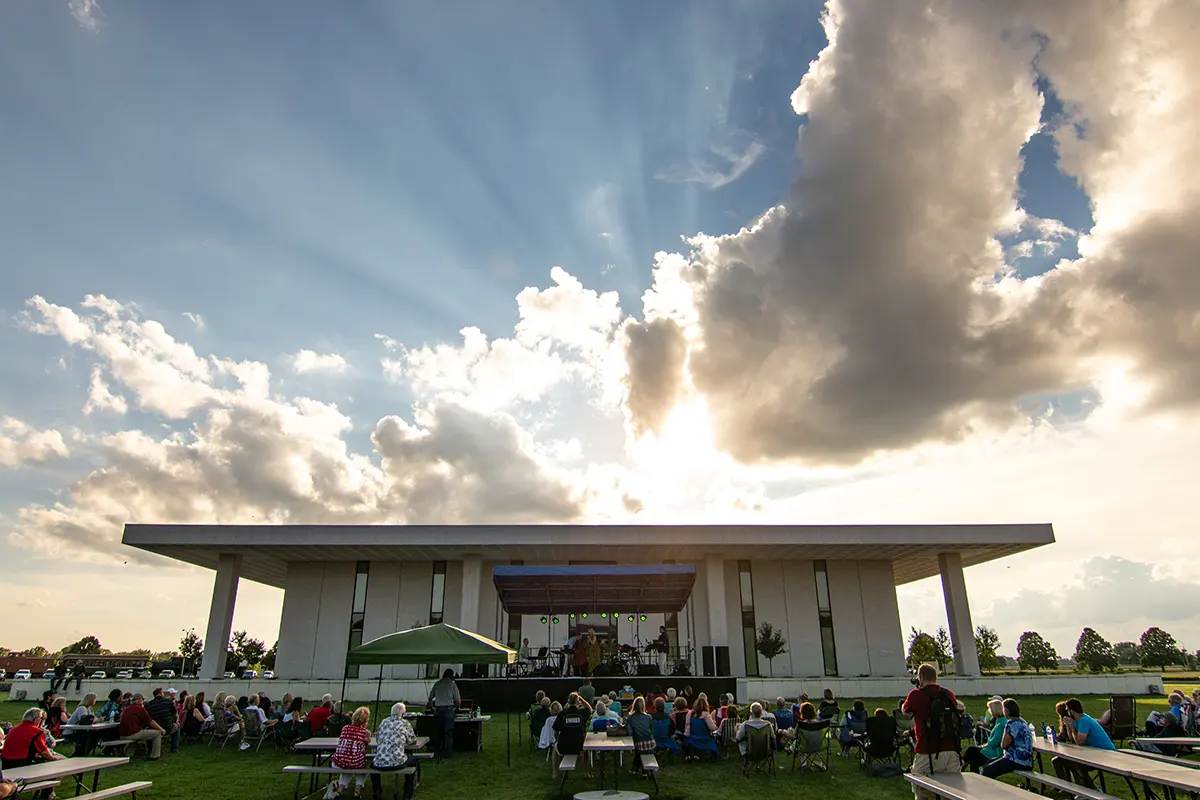
In that time, Grand Island has built a strong reputation for hosting sporting events, conventions, concerts, and agricultural gatherings. Visitors who attend these events stay in hotels, eat at local restaurants, and spend their money throughout the community.
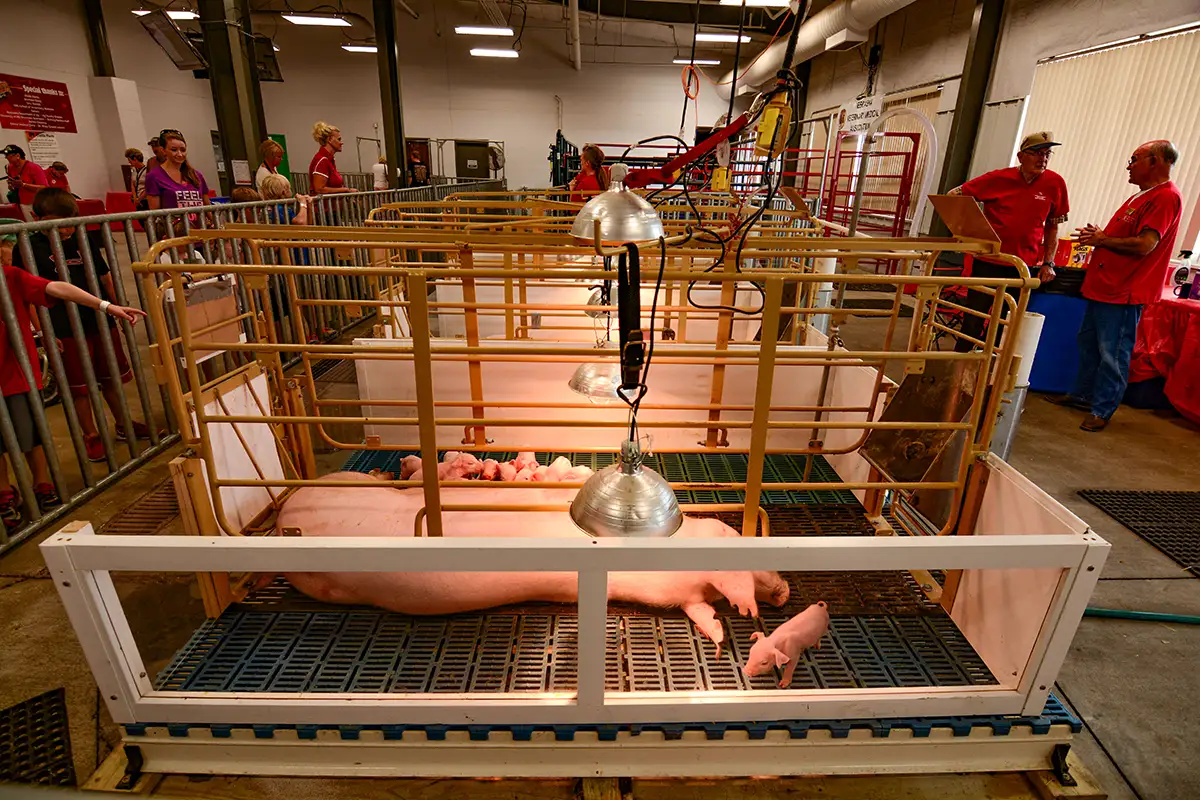
Livestock and agricultural events deserve special attention in this conversation. While locals associate Fonner Park with racing, the State Fair, and the casino, they may not notice that livestock shows are also hosted throughout much of the summer. Omaha hosts the College World Series, Lincoln hosts big time college sports, and Grand Island hosts agriculture and livestock shows. It’s big business. It’s who we are.
The HEC faces deferred maintenance common to large, heavily used facilities. At the same time, livestock and agricultural events require ongoing investment to remain competitive, affordable, and attractive to exhibitors and participants.
Recently, the Nebraska Legislature removed the statutory cap on local occupancy taxes, giving cities more flexibility to adjust rates. That authority exists, but the decision of how to use it should be guided by strategy rather than urgency.
To understand why occupancy taxes matter, consider a one-night hotel stay in Grand Island with a base room rate of $100.
First, the 2% City Occupation Tax is applied, adding $2.00 and bringing the taxable subtotal to $102.00. Sales tax is then calculated on that amount. Nebraska’s state sales tax of 5.5% and the City of Grand Island’s 2.0% rate combine for a total of 7.5%, or $7.65. Lodging taxes are also applied to the $102.00 subtotal, including a 1.0% state lodging tax and a 4.0% county lodging tax, totaling $5.10.
The bill breaks down as follows:
$100.00 room rate
$2.00 city occupation tax
$7.65 sales tax
$5.10 state and county lodging taxes
The total cost to the guest is $114.75.
Because these taxes are layered, an increase, whether 1%, 2%, or 3%, compounds on top of existing taxes. Hotel occupancy taxes can and should be part of the solution, particularly when funds are clearly directed toward assets that generate overnight stays. However, relying on a single funding source places disproportionate strain on one segment of the tourism economy and limits flexibility.
In the short term, existing tools such as Visitor Improvement Funds administered by the CVB can continue to support event recruitment that directly drive hotel demand. Grand Island’s local development tool, LB840 grant funds can assist with projects that strengthen economic development and tourism infrastructure. Community Redevelopment Authority funds may play a role in targeted improvements tied to redevelopment goals.

In the long term, partnerships will be critical. Hall County has the legislative authority to support livestock and agricultural events, and the use of these tools may be an important part of sustaining the shows that bring visitors to Grand Island year after year. Public-private partnerships and shared responsibility across entities that benefit from tourism should all be part of the discussion.
Grand Island can find a path that allows hotel occupancy tax revenue to help address deferred maintenance at the HEC while ensuring that livestock events remain supported. Doing so requires clear priorities, defined use of funds, and collaboration among city leaders, county partners, non-profit organizations, and the business community.
Grand Island has built something special. The facilities, the events, and the reputation we enjoy today are the result of partnerships and shared vision. As this conversation continues, the focus should remain on outcomes and long-term sustainability.
By Brad Mellema, Grand Island Tourism Executive Director
.webp)